Source with armrest bus station waiting chairs for Airports Parks Hospitals
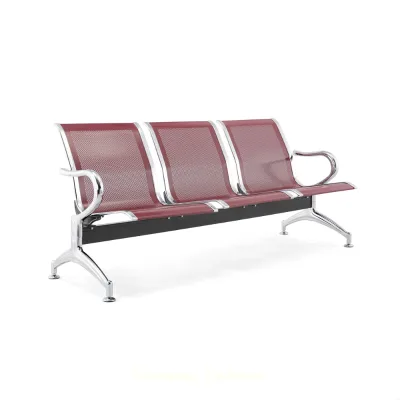
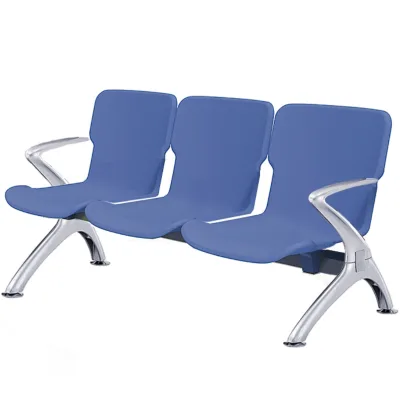
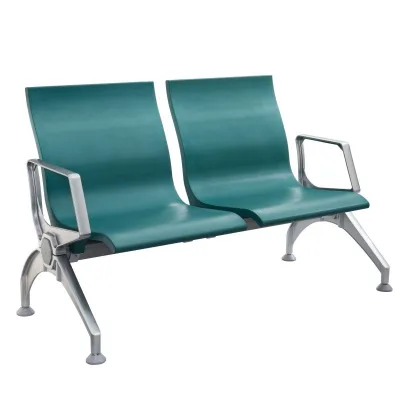
Compare 30 with armrest bus station waiting chairs from verified manufacturers. These metal units feature electrostatic powder coating, 5-year warranties, and customizable designs for airports, parks, and hospitals. Buyers can review beam thickness, packing details, and delivery times to find the best fit for their specific infrastructure needs.
Key considerations
Products List






Comprehensive Sourcing Guide
With Armrest Bus Station Waiting Chairs Sourcing Guide
Procuring durable seating for high-traffic public transit hubs requires a rigorous approach to specification and supplier verification. Bus station waiting chairs must withstand constant use, weather exposure, and vandalism while maintaining structural integrity. Buyers should prioritize manufacturers who demonstrate experience in public infrastructure projects, as these suppliers understand the specific load-bearing requirements of transit environments. The presence of armrests is not merely an aesthetic choice but a functional necessity that aids passenger stability and defines the seating module's footprint.
When initiating the sourcing process, define the exact configuration required for your specific station layout. Determine whether you need separate units or combination types that link together to form longer benches. This decision impacts both the installation method and the overall cost per seat. Additionally, clarify the intended usage context, as chairs for airports or hospitals may have different ergonomic requirements than those for general bus stops. Establishing these parameters early ensures that supplier quotations are comparable and relevant to your project needs.
Product Scope and Observed Listing Signals
The market for bus station waiting chairs offers a variety of structural configurations, primarily categorized as separate or combination types. Separate units allow for flexible placement and easier replacement of individual seats, while combination types provide a continuous seating surface that can maximize capacity in limited spaces. Buyers should evaluate which structure best suits their station's architectural constraints and maintenance logistics. The choice between these two types also influences the initial capital expenditure and long-term operational costs.
Material selection is a critical scope parameter, with metal and plastic being the primary options observed in current listings. Metal frames, often steel, provide superior durability and resistance to impact, making them suitable for high-security or high-traffic areas. Plastic seats, typically made from high-density polyethylene, offer lighter weight and easier cleaning but may degrade faster under intense UV exposure. Understanding the trade-offs between these materials helps buyers align product selection with their specific environmental conditions and budget constraints.
Technical Specifications to Verify
Structural dimensions must be verified against the physical space available at the bus station. Standard dimensions vary, with common lengths ranging from approximately 1.75 meters to 2.96 meters for multi-seat units. Width and height also fluctuate, with heights typically between 760mm and 900mm. Buyers must confirm that the selected chair fits within the designated seating area without obstructing pedestrian flow or emergency exits. Precise dimensional data should be requested from suppliers to ensure compatibility with existing infrastructure.
Beam thickness and material gauge are key indicators of structural robustness. Observed beam thicknesses range from 1.5mm to 2.0mm, while overall material thickness varies between 0.5mm and 1.5mm. Thicker beams generally indicate higher load-bearing capacity and greater resistance to bending under heavy use. Buyers should request detailed technical drawings that specify the exact gauge of the frame and seat components. Verifying these specifications ensures that the chairs can support the expected passenger weight and resist deformation over time.
Compliance and Safety Documentation
Safety certifications are essential for public seating, particularly in regulated environments like airports and hospitals. Common certifications include ISO, CE, and ROHS, which attest to quality management, safety standards, and environmental compliance. Buyers should request copies of these certificates and verify their validity and scope. For international shipments, ensuring that the product meets the destination country's specific safety regulations is crucial to avoid customs delays or rejection. Documentation should be part of the initial supplier qualification process.
In addition to general certifications, specific safety features such as anti-tip mechanisms and secure anchoring points must be documented. The surface treatment, often environmental electrostatic powder coating, should be verified for durability and resistance to corrosion. This coating protects the metal frame from rust, which is critical in outdoor or humid environments. Buyers should ask for test reports or samples to assess the coating's quality and longevity. Proper documentation of these safety and durability features provides a legal and operational safeguard for the procurement project.
Cost Drivers and Commercial Terms
The total cost of ownership for bus station waiting chairs includes not only the unit price but also shipping, installation, and maintenance expenses. Observed price ranges can vary significantly, from $10 to $892 per unit, depending on material, size, and customization. Buyers should request itemized quotations that break down these costs to identify potential savings. Understanding the cost drivers, such as material thickness and coating quality, allows for informed negotiations and budget planning. Avoiding hidden costs is essential for accurate project financial forecasting.
Minimum Order Quantity (MOQ) and lead times are critical commercial terms that impact project scheduling. Observed MOQs range from 1 to 200 units, while delivery times can be as short as 20 days or as long as 25 days. Buyers must align their procurement schedule with the supplier's production capacity and shipping logistics. Negotiating favorable payment terms, such as partial payments upon shipment, can improve cash flow management. Clear communication of these commercial terms ensures that both parties have aligned expectations and reduces the risk of contractual disputes.
Supplier Qualification and Quality Control
Selecting a reliable supplier involves evaluating their manufacturing capabilities, quality control processes, and track record in public sector projects. Suppliers should be able to provide references from similar projects and demonstrate their ability to meet strict deadlines. Assessing the supplier's production facilities and quality assurance protocols helps ensure consistent product quality. Buyers should conduct factory audits or request third-party inspection reports to verify the supplier's claims. This due diligence process mitigates the risk of receiving substandard products.
Quality control measures should include pre-shipment inspections to verify that the chairs meet the specified dimensions, materials, and safety standards. Buyers can arrange for independent inspection agencies to conduct these checks before the goods are shipped. This step ensures that any defects are identified and rectified before the products reach the destination. Establishing a clear quality control protocol with the supplier, including acceptance criteria and penalty clauses for non-compliance, provides an additional layer of protection for the buyer.
Long-Term Procurement Checks
Long-term procurement strategies should focus on establishing a sustainable supply relationship with the supplier. This includes negotiating multi-year contracts that lock in pricing and ensure consistent availability of spare parts. Buyers should consider the supplier's capacity to handle future expansion projects or additional orders. Building a strong relationship with the supplier can lead to better service, priority production slots, and more favorable terms. Regular performance reviews of the supplier's delivery and quality metrics help maintain accountability and improve the partnership over time.
Maintenance and warranty terms are crucial for long-term cost management. Observed warranty periods range from one year to five years, depending on the supplier and product type. Buyers should clarify what is covered under the warranty, including parts and labor, and the process for claiming repairs. Understanding the maintenance requirements of the selected chairs, such as cleaning protocols and coating touch-ups, helps in planning for ongoing operational costs. A comprehensive long-term procurement plan ensures that the seating infrastructure remains functional and safe throughout its intended lifespan.
FAQs
What materials are used for with armrest bus station waiting chairs?
These chairs are primarily constructed from metal to ensure durability in high-traffic areas. Some variations may incorporate plastic components for specific seating surfaces. The metal frames are treated with environmental electrostatic powder coating to resist corrosion and maintain appearance over time.
Can I find with armrest bus station waiting chairs with a 5-year warranty?
Yes, certain models of these chairs come with a five-year warranty to guarantee long-term performance. Other available options may offer a one-year warranty depending on the specific manufacturer and product configuration. Buyers should verify the warranty terms for each specific item before placing an order.
How long is the delivery time for with armrest bus station waiting chairs?
The standard delivery time for these chairs typically ranges from twenty to twenty-five days after order confirmation. This timeline allows for proper manufacturing and quality checks before shipment. Buyers should account for this lead time when planning their procurement schedules for large installations.
Which certifications do with armrest bus station waiting chairs manufacturers hold?
Manufacturers often hold ISO certifications and CE marks to ensure product safety and quality standards. Some products also comply with ROHS and CCC standards for environmental and electrical safety. These certifications verify that the chairs meet international requirements for public use in various settings.
What is the minimum order quantity for with armrest bus station waiting chairs?
The minimum order quantity varies significantly, ranging from one unit up to two hundred units depending on the supplier. Some vendors offer single-unit purchases for testing, while others require larger bulk orders for custom manufacturing. Buyers should check specific supplier requirements to determine the exact MOQ for their needs.
Can with armrest bus station waiting chairs be customized for specific needs?
Yes, customization is available for these chairs to meet specific design or functional requirements. Manufacturers offer ODM and OEM services to tailor dimensions, colors, and structural configurations. Buyers can request changes to the seating arrangement or finish to align with their facility's aesthetic and operational standards.
What are the standard dimensions for with armrest bus station waiting chairs?
Standard dimensions vary by model, with common sizes including lengths around 1750mm and heights near 780mm. Other configurations may feature lengths of 2960mm for multi-seater units or specific widths like 600mm. The exact dimensions depend on whether the unit is a single seat or a combination type structure.